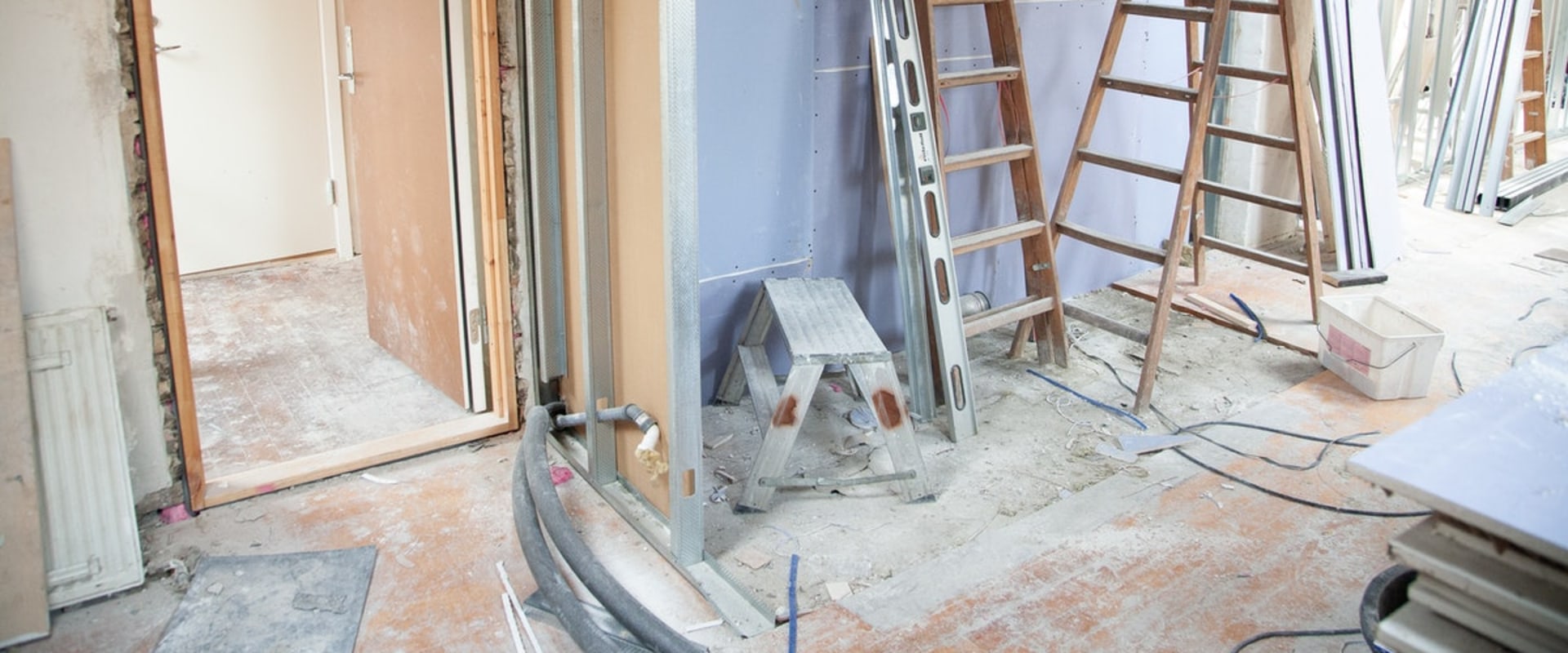
A home remodel stays on schedule when the process begins with clear, detailed planning. Before any demolition or construction starts, successful projects outline scope, timelines, budgets, and responsibilities. This includes finalizing design choices, material selections, and permits early to prevent delays later. A realistic timeline accounts for lead times on materials and allows for minor adjustments without derailing progress. When expectations are clearly defined from the outset, everyone involved understands the sequence of work and how their role contributes to keeping the project moving forward.
Strong Leadership and Coordination
Effective coordination is essential to maintaining momentum throughout a remodel. This responsibility often falls on a single point of leadership who oversees scheduling, communication, and quality control. A skilled remodeling contractor manages subcontractors, deliveries, and inspections so that each phase begins as soon as the previous one ends. By coordinating trades such as electricians, plumbers, and finish carpenters, downtime between tasks is minimized. Consistent oversight ensures that issues are addressed quickly before they turn into schedule-breaking problems.
Timely Material Management
Material delays are one of the most common reasons remodels fall behind schedule. Projects that stay on track prioritize early ordering and organized delivery plans. Cabinets, fixtures, flooring, and specialty items are selected and purchased well in advance, reducing the risk of backorders or shipping issues. When materials arrive on time and are stored properly on-site, crews can move seamlessly from one phase to the next. This level of preparation keeps work flowing without interruptions caused by missing or damaged supplies.
Proactive Problem Solving
Unexpected challenges are inevitable in remodeling, especially in older homes where hidden issues can surface once walls or floors are opened. Staying on schedule depends on how quickly these challenges are addressed. Proactive problem solving involves clear communication, prompt decision-making, and contingency planning. When homeowners and project leaders work together to make timely choices, solutions can be implemented without halting progress. This adaptability allows the project to absorb surprises while still moving forward efficiently.
Organized Job Site and Daily Progress
An organized job site plays a significant role in maintaining productivity. Clean, well-managed spaces allow workers to operate efficiently and safely. Daily progress checks ensure that tasks are completed as planned and that upcoming work is prepared in advance. Small, consistent milestones help track progress and keep everyone accountable. This disciplined approach prevents last-minute rushes and ensures that each stage of the remodel is completed before moving on to the next.
Communication Keeps Everyone Aligned
Clear, ongoing communication is a defining factor in on-schedule remodels. Regular updates keep homeowners informed and engaged, reducing misunderstandings that can lead to delays. When questions or changes arise, addressing them quickly prevents disruptions to the workflow. Transparent communication builds trust and keeps expectations realistic throughout the process, making it easier to stay aligned with the original timeline.
Finishing Strong and On Time
A home remodel that stays on schedule from start to finish is the result of preparation, coordination, and consistency. By combining detailed planning, strong leadership, proactive problem solving, and clear communication, projects move forward with confidence. When each phase is completed as intended, the final result is not only a beautifully updated home but also a smooth, predictable remodeling experience that respects both time and investment.