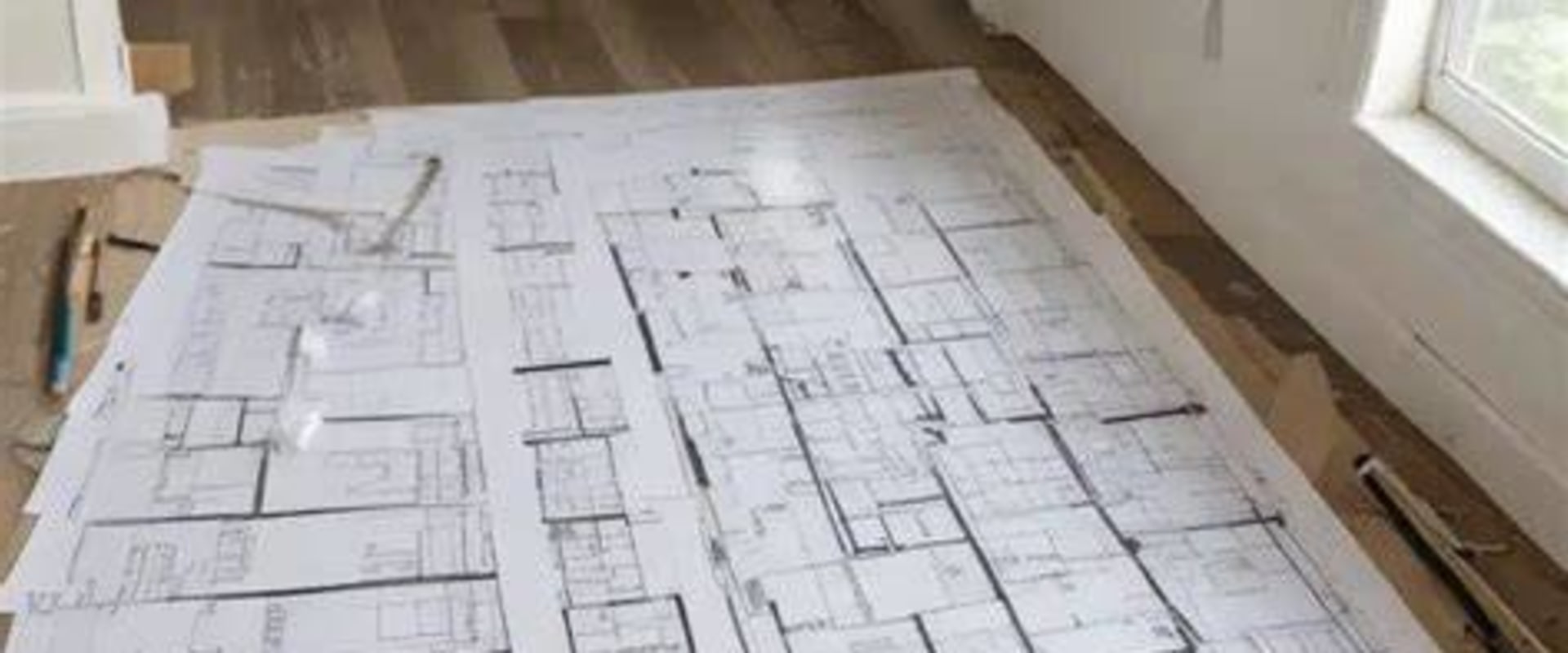
When homeowners envision a remodeling project, they often focus on the exciting aspects of the transformation. New layouts, upgraded finishes, modern fixtures, and enhanced functionality typically dominate conversations about home improvements. However, what many people fail to recognize is that the smooth execution of a remodel depends heavily on planning that takes place well before demolition begins. The most successful renovation projects are often the result of extensive preparation, careful coordination, and strategic decision-making behind the scenes. While the finished results receive most of the attention, it is the planning phase that frequently determines whether a project progresses efficiently or becomes plagued by delays, budget overruns, and unnecessary complications.
Establishing Clear Project Objectives
One of the most important yet overlooked aspects of remodeling preparation is defining clear goals. Homeowners who begin projects without fully understanding their priorities often encounter challenges as construction progresses. Establishing objectives early allows contractors, designers, and project managers to create a roadmap that guides every decision throughout the renovation. Whether the goal is improving functionality, increasing property value, creating more storage, or modernizing outdated spaces, clearly defined expectations help eliminate confusion and reduce the likelihood of costly changes during construction. Effective planning ensures that every component of the remodel contributes to the overall vision.
Coordinating Design, Materials, and Scheduling
Another critical planning element involves coordinating design choices with construction schedules. Materials such as cabinetry, flooring, countertops, appliances, fixtures, and specialty finishes often require significant lead times. Delays in ordering or receiving these items can disrupt project timelines and force contractors to rearrange schedules. Experienced remodeling professionals understand the importance of selecting and securing materials well in advance. This allows work to proceed in a logical sequence without interruptions caused by unavailable products. Planning also includes verifying measurements, confirming product compatibility, and ensuring that all materials align with the overall design strategy before installation begins.
Managing Multiple Contractors and Trades
Home remodeling projects frequently involve numerous specialists working together. Electricians, plumbers, carpenters, painters, flooring installers, drywall professionals, and other trades often contribute to different phases of the renovation. Without proper coordination, scheduling conflicts can arise that slow progress and create inefficiencies. Comprehensive planning helps establish a clear workflow so each contractor can complete their work at the appropriate time. Project managers play a crucial role in maintaining communication among trades, resolving issues quickly, and ensuring that work progresses according to schedule. This level of organization is often one of the most important factors behind seamless remodel execution.
Anticipating Challenges Before They Occur
One of the hallmarks of effective remodeling planning is the ability to anticipate potential challenges. Older homes may contain hidden structural issues, outdated electrical systems, plumbing concerns, or code compliance problems that are not immediately visible. Experienced contractors conduct thorough assessments before work begins to identify risks and develop contingency plans. This proactive approach helps minimize unexpected surprises that can affect budgets and schedules. Professionals such as Brownsburg countertop and kitchen renovation specialists often understand the value of detailed pre-construction planning because it enables projects to move forward more efficiently while maintaining quality standards.
Creating a Better Experience for Homeowners
Careful planning does more than improve construction efficiency—it also enhances the homeowner’s overall experience. Remodeling projects can be disruptive, especially when they affect essential living spaces. Advance preparation helps contractors develop strategies that minimize inconvenience, protect belongings, maintain safety, and communicate project milestones clearly. Homeowners who understand the schedule and know what to expect are generally more satisfied throughout the renovation process.
The Foundation of a Seamless Remodel
Ultimately, seamless home remodel execution depends on much more than skilled craftsmanship. While quality construction is essential, it is the often-unseen planning process that creates the conditions for success. From defining goals and coordinating materials to scheduling contractors and anticipating challenges, every step of preparation contributes to a smoother, more efficient project. By investing time and effort into comprehensive planning, homeowners and contractors can work together to transform renovation ideas into successful, well-executed realities.