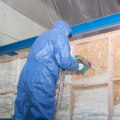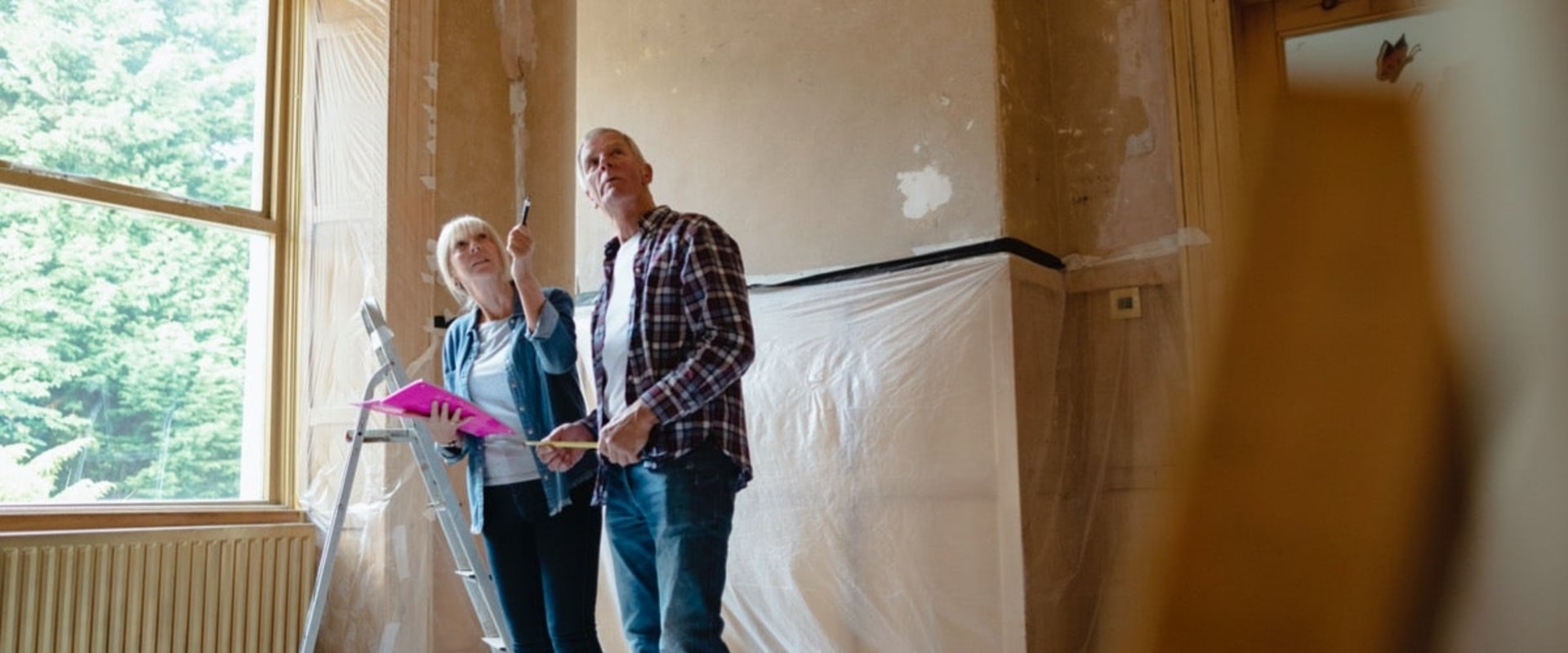
Homeowners often assume that once a remodel wraps up—cabinets installed, paint dried, and appliances wired—the space is ready for immediate use. Yet a surprising number of remodels fail the “move-in ready” test because they overlook the crucial final step of deep cleaning. Construction and renovation introduce contaminants that ordinary tidying cannot address: fine drywall dust, sawdust, polishing compounds, insulation fibers, caulks, and silicone residues. These materials accumulate inside drawers, behind baseboards, within HVAC returns, and atop door frames. Even brand-new flooring can harbor micro-abrasives left behind by sanding or tile cutting, posing risks to finishes as well as respiratory comfort. When homeowners move belongings into such environments prematurely, the dust becomes embedded in textiles, cushions, and area rugs, making later cleaning more time-consuming and less effective.
The Invisible Mess Behind the Makeover
Renovation marketing focuses on the transformation—before-and-after photos, material palettes, and lifestyle upgrades. What it does not advertise are the invisible byproducts of construction that linger without specialist intervention. Fine particulates circulate freely during demolition and install phases and can remain airborne for hours before settling in layers that resist basic vacuum passes. Adhesive fumes and off-gassing from paints, lacquers, and finishes intensify the issue by binding dust to surfaces or introducing volatile compounds into indoor air. HVAC systems complicate matters by drawing in particulates and later redistributing them throughout the home. The result is an environment that may look polished in photos but feels gritty, odorous, or irritating once lived in.
Why Builders Rarely Deliver True Cleanliness
General contractors and subcontractors are skilled at building, not deep cleaning. Their “construction clean” typically covers sweeping, bulk debris removal, and maybe a light wipe-down of major surfaces. They do not degrease stainless finishes, chase fine dust in cabinet tracks, scrub grout haze, or sanitize high-touch points. Nor do they routinely remove vent grilles to address duct buildup or clean inside lighting housings and appliances. Without these measures, new homes or remodeled spaces exhibit streaks, smudges, and residue when sunlight hits at the right angle, undermining the sense of freshness. Moreover, production schedules incentivize speed over meticulous cleanup—trade crews want to finish and move on, and builders want certificates of occupancy issued efficiently. The missing party is the specialist cleaner who bridges the gap between “construction complete” and “livable.”
Deep Cleaning as the Missing Phase of Turnover
A proper turnover clean resembles post-construction cleaning in commercial sectors: HEPA vacuuming of floors and upholstery, air scrubber deployment during final sanding periods, detail wiping of woodwork, degreasing of appliances, mineral removal from glazing, and grout haze correction. In high-standards markets, contractors schedule a two-stage cleaning—once before punch lists and again after. This approach allows defects to surface, protects finishes, and ensures occupants experience a space as intended. Commercial real estate treats this as standard practice, and ongoing facility services such as office cleaning illustrate how disciplined cleaning protocols sustain usability, protect investments, and preserve indoor environmental quality over time.
The Real Meaning of “Move-In Ready”
Ultimately, “move-in ready” should describe a space that is not merely finished but welcoming, healthy, and practical for immediate occupancy. Without deep cleaning, remodels deliver visual appeal without sensory comfort: dust irritates eyes and lungs, odors linger, and new finishes dull prematurely. As consumer expectations rise around indoor air quality, wellness, and sustainability, deep cleaning is likely to evolve from an optional add-on to an essential phase of construction turnover—one that ensures the story of a remodel ends not at completion but at comfort.