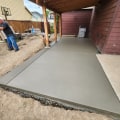
A successful home remodel begins with careful planning that ensures all aspects of construction integrate seamlessly. Whether updating a single room or undertaking a full-scale renovation, aligning design, structure, and functionality is essential. Homeowners must consider how new elements will connect with existing systems such as plumbing, electrical wiring, and HVAC. This stage involves creating detailed plans, setting realistic timelines, and establishing a clear budget. By taking a comprehensive approach from the beginning, it becomes easier to avoid unexpected challenges and ensure that every component of the remodel works together harmoniously.
Coordinating Structural and System Upgrades
One of the most important aspects of seamless construction integration is coordinating structural improvements with system upgrades. Remodeling often involves changes to walls, flooring, and layouts, which can impact the placement of pipes, wiring, and ventilation systems. Ensuring that these elements are updated alongside structural modifications helps maintain efficiency and safety. Working with experienced professionals, such as Drake Construction, allows homeowners to address these complexities effectively. Their expertise ensures that each phase of the remodel is executed with precision, reducing the risk of conflicts between different systems and enhancing the overall quality of the project.
Ensuring Consistency in Design and Materials
Consistency in design and material selection plays a significant role in achieving a unified look and feel throughout the home. Choosing materials that complement one another and align with the overall design vision helps create a cohesive environment. This includes everything from flooring and cabinetry to fixtures and finishes. Additionally, selecting durable and high-quality materials ensures long-term performance and reduces maintenance needs. By maintaining consistency, homeowners can create a space that feels intentional and well-coordinated, rather than disjointed or mismatched.
Managing Workflow and Communication
Effective communication and workflow management are critical for keeping a remodeling project on track. Coordinating multiple contractors, suppliers, and timelines requires careful organization and clear communication. Regular updates and progress checks help ensure that all parties are aligned and that any issues are addressed promptly. Establishing a structured workflow minimizes delays and prevents costly mistakes, allowing the project to move forward smoothly. Homeowners who stay actively involved in the process are better equipped to make informed decisions and maintain control over the outcome.
Long-Term Benefits of Integrated Remodeling
Taking an integrated approach to home remodeling offers significant long-term benefits. A well-coordinated project not only enhances the aesthetic appeal of the home but also improves functionality and efficiency. Upgraded systems, optimized layouts, and cohesive design elements contribute to a more comfortable and valuable living space. Over time, these improvements can lead to reduced maintenance costs and increased property value. By prioritizing seamless construction integration, homeowners can ensure that their remodel delivers lasting results that meet both their immediate needs and future goals.