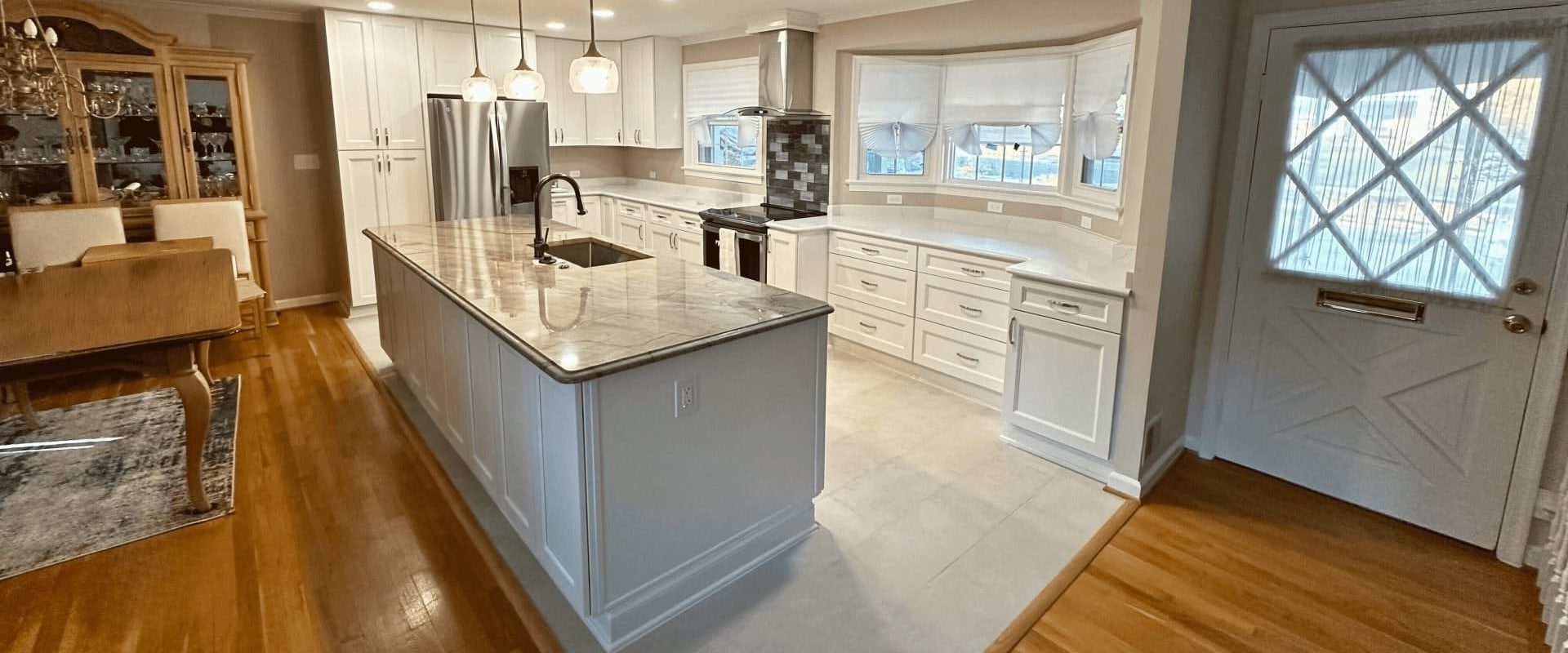
Kitchen and living room remodels are among the most popular home improvement projects because they can dramatically enhance functionality, increase property value, and create more enjoyable spaces for everyday living. Homeowners often focus on selecting cabinetry, countertops, flooring, lighting, and decorative finishes, but the success of these renovations frequently depends on careful structural planning behind the scenes. Many remodeling projects involve removing walls, enlarging openings, relocating support elements, or creating open-concept layouts that significantly alter how a home's structural system carries loads. Without proper engineering evaluation, these modifications can compromise the stability of the building and lead to costly repairs or safety concerns. Structural engineers provide the technical expertise needed to ensure that remodeling goals are achieved without sacrificing the strength, durability, or long-term performance of the home. Their work forms the foundation that allows attractive design ideas to become safe and practical living spaces.
Planning Structural Changes Before Construction Begins
One of the most valuable contributions structural engineers make during kitchen and living room remodels is evaluating whether proposed design changes affect load-bearing components. Walls that appear ordinary may actually support roof structures, upper floors, or other critical building elements. Before these walls can be modified or removed, engineers determine how existing loads are distributed and design appropriate replacement support systems when necessary. This may involve specifying beams, columns, headers, or reinforcement methods that maintain structural integrity while allowing the desired layout to be achieved. Proper engineering calculations also help contractors understand installation requirements and ensure compliance with applicable building codes. Companies such as Open Concept Engineering assist homeowners, architects, and contractors by developing structural solutions that balance design flexibility with safety, making it possible to create spacious, modern interiors without compromising the home's underlying framework. Early engineering involvement also helps reduce unexpected construction delays by identifying potential structural challenges before demolition begins.
Supporting Functionality and Long-Term Performance
Structural engineers contribute more than immediate safety during remodeling projects—they also help improve the long-term functionality and resilience of the home. Kitchen renovations frequently involve installing heavy stone countertops, large kitchen islands, custom cabinetry, and upgraded appliances that increase structural loads in localized areas. Living room remodels may include larger windows, expanded door openings, vaulted ceilings, or fireplace modifications that require careful structural consideration. Engineers evaluate how these changes interact with the existing building system to ensure that floors remain properly supported and structural elements continue performing as intended. They may also identify opportunities to strengthen aging framing, address previous construction deficiencies, or recommend improvements that enhance overall building stability. By integrating structural planning into the renovation process, homeowners reduce the likelihood of settlement, cracking, uneven floors, or other issues that can develop when remodeling projects overlook hidden structural requirements.
Creating Beautiful Spaces with Confidence
The most successful kitchen and living room remodels combine thoughtful design with sound engineering principles. Architects, interior designers, contractors, and structural engineers each contribute specialized expertise that ensures the finished space is both visually appealing and structurally dependable. Open-concept layouts, larger gathering spaces, and improved natural lighting are often achievable because structural engineers develop solutions that safely redistribute building loads while preserving overall stability. Their involvement also supports efficient permit approvals, clearer construction documentation, and smoother coordination among project teams throughout every stage of the renovation. Homeowners benefit from greater confidence knowing that their investment is built upon careful technical planning rather than assumptions. Ultimately, structural engineers play an essential role in transforming renovation ideas into lasting improvements that enhance both daily living and property value. By addressing structural considerations alongside aesthetic goals, they help create kitchens and living rooms that are not only beautiful and functional but also capable of serving families safely and reliably for many years to come, ensuring that every remodeling decision contributes to a stronger and more resilient home.