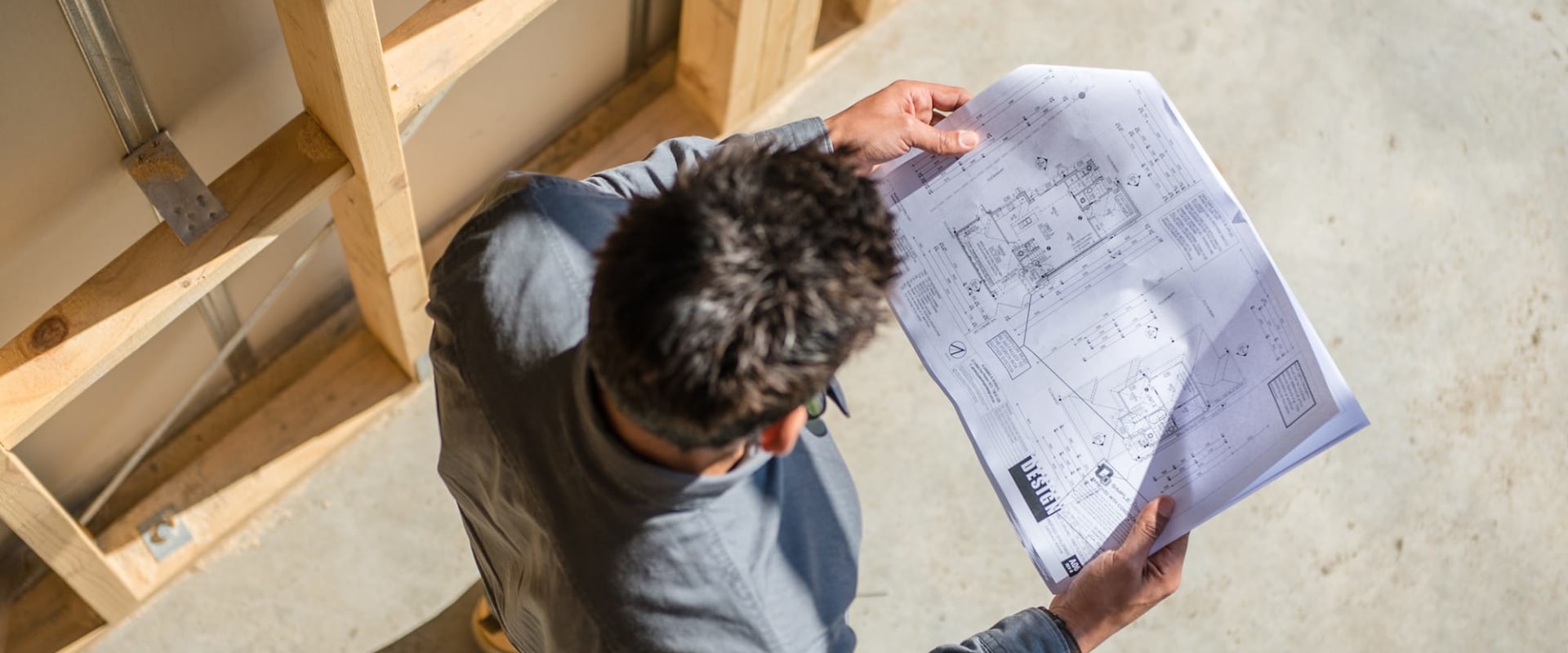
Remodeling while moving can feel overwhelming because both processes demand time, organization, and flexibility. A move already disrupts routines, and adding construction work introduces additional variables such as contractors, material deliveries, and changing timelines. However, when managed carefully, combining these two projects can actually save time and create a smoother transition into your new or updated space. The key is understanding how the two efforts intersect and planning for those overlaps instead of reacting to them at the last minute.
Prioritizing What Must Be Done First
Not all remodeling projects need to be completed at the same time. Before moving day, focus on renovations that are difficult or inconvenient to do once furniture is in place. Flooring, interior painting, electrical updates, plumbing changes, and structural repairs are best handled while the space is empty. Cosmetic upgrades or smaller projects can often wait until after you’ve moved in. Creating a clear priority list helps prevent delays and ensures that critical work doesn’t interfere with unpacking and daily living.
Building a Realistic Timeline
One of the most common mistakes people make when remodeling while moving is underestimating timelines. Renovation schedules can shift due to material delays, inspections, or unexpected repairs. Moving schedules can also change because of weather or logistics. Building buffer time into both plans reduces stress and prevents rushed decisions. A realistic timeline allows you to coordinate contractors and movers without forcing one project to wait on the other.
Protecting Belongings During Construction
When remodeling overlaps with moving, protecting your belongings becomes essential. Dust, debris, and foot traffic can easily damage furniture and personal items. Packing items securely and labeling boxes clearly helps keep them safe and organized. In some cases, delaying delivery of certain belongings until construction is complete can reduce clutter and risk. Working with experienced professionals like Mountain Movers can make it easier to coordinate safe handling and placement during this complex phase.
Communicating Clearly With Everyone Involved
Clear communication is critical when managing both remodeling and moving. Contractors should know your move-in date and which areas must be completed first. Movers should be informed about active construction zones, newly finished surfaces, and restricted areas. Keeping everyone aligned minimizes confusion and reduces the chance of damage or delays. Written schedules, checklists, and shared updates can be especially helpful when multiple teams are involved.
Staying Flexible When Plans Change
Even with careful planning, flexibility is essential. Remodeling projects often reveal hidden issues once walls or floors are opened, and those surprises can affect timelines. Staying adaptable helps you respond calmly rather than feeling derailed. Having contingency plans—such as temporary living arrangements or adjusted move-in phases—can make unexpected changes far more manageable.
Managing Stress and Expectations
Balancing remodeling and moving can be mentally exhausting, so it’s important to manage expectations. Accept that everything may not be perfect on day one. Focus on functionality first and aesthetics later. Taking breaks, celebrating small milestones, and acknowledging progress can help maintain motivation. Remember that this phase is temporary, even if it feels intense in the moment.
Creating a Smooth Transition Into Your Space
When done thoughtfully, remodeling while moving can lead to a more satisfying outcome. You avoid living through major construction later and get to settle into a space that already reflects your needs and style. By prioritizing key projects, building realistic timelines, protecting belongings, and communicating clearly, you can reduce stress and maintain control over both processes.
Turning Complexity Into Opportunity
Remodeling and moving at the same time is undeniably complex, but it also presents an opportunity to start fresh with intention. Instead of viewing the overlap as a burden, approach it as a coordinated effort toward a better living space. With the right planning and support, managing both can lead to a smoother move-in and a home that truly feels ready for its next chapter.