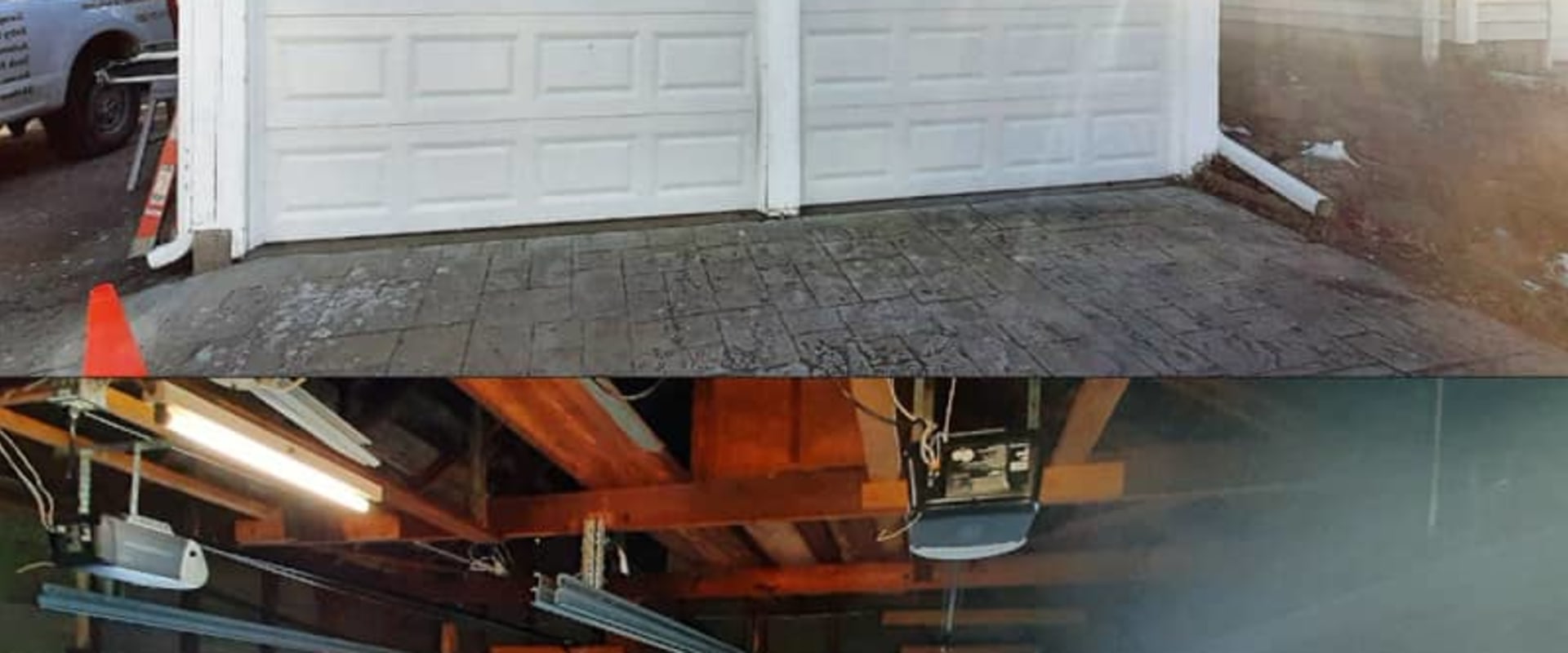
Home renovation projects are often undertaken to improve aesthetics, increase property value, enhance functionality, or create additional living space. Homeowners frequently focus on visible upgrades such as new flooring, expanded rooms, updated kitchens, or exterior improvements. However, structural modifications made during renovations can have unexpected consequences on other components of the home, including the garage door system. Because garage doors rely on precise alignment and structural stability to function properly, even minor changes to the surrounding framework can affect their performance. These impacts are often overlooked until operational issues begin to appear after construction has been completed.
How Structural Modifications Influence Garage Door Alignment
Garage doors are installed within carefully measured openings that are designed to remain square and stable. During renovation projects, contractors may alter load-bearing walls, expand living areas, modify foundations, replace support beams, or reconfigure portions of the structure. While these improvements can provide significant benefits, they may also introduce subtle shifts within the building. Even slight movement in the garage opening can affect the alignment of tracks, rollers, hinges, and other essential garage door components.
When the structure surrounding the garage changes, the door opening may no longer maintain its original dimensions. A garage door that once operated smoothly can begin to stick, bind, or move unevenly. Homeowners may notice gaps around the perimeter of the door, unusual noises during operation, or increased resistance when opening and closing. In many cases, these symptoms are not caused by faulty hardware but rather by structural adjustments that have altered the geometry of the garage opening.
Effects on Garage Door Components and Operation
Structural changes can place additional stress on various parts of the garage door system. Misaligned tracks may force rollers to move unevenly, leading to premature wear and increased friction. Springs and cables may experience uneven tension, which can reduce their lifespan and affect the balance of the door. Automatic garage door openers may also be forced to work harder to compensate for alignment issues, potentially causing unnecessary strain on motors and drive mechanisms.
Renovation-related changes can also affect the door’s ability to seal properly. A shifted opening may create small gaps that allow moisture, dust, pests, and outside air to enter the garage. Over time, these openings can contribute to energy inefficiency and create conditions that encourage deterioration of both the garage door and surrounding building materials. While these issues may develop gradually, they often originate from structural modifications that occurred during construction.
The Importance of Post-Renovation Inspections
After completing major renovation projects, homeowners should consider evaluating the condition and operation of their garage door system. Even when construction work does not directly involve the garage, structural changes elsewhere in the home can sometimes influence the stability of adjacent areas. Inspecting the door's movement, checking for unusual sounds, and examining seals and alignment can help identify potential concerns before they become more costly repairs.
Working with experienced garage door professionals such as Door Doctor can help homeowners determine whether renovation-related structural changes have affected garage door performance. A thorough inspection can identify subtle issues that may not be immediately visible but could impact long-term reliability and safety.
Protecting Garage Door Performance During Home Improvements
Successful renovation projects require attention to both major structural elements and the systems that depend on them. By understanding how structural modifications can influence garage door alignment and operation, homeowners can take proactive steps to prevent unexpected complications. Careful planning, proper construction practices, and post-renovation inspections help ensure that garage doors continue to function safely and efficiently while preserving the benefits of the renovation investment for years to come.