Energy-efficient remodeling projects often focus on upgraded insulation, new windows, modern appliances, and improved HVAC systems, but roof ventilation is one area that is frequently overlooked despite its major impact on overall home performance. Proper roof ventilation helps regulate airflow between the attic and the exterior environment, reducing excessive heat buildup and moisture accumulation that can quietly undermine many energy-saving improvements. During remodeling projects, homeowners may invest heavily in making their homes more efficient without realizing that poor attic ventilation can reduce the effectiveness of insulation, increase strain on cooling systems, and shorten the lifespan of roofing materials. Improving roof ventilation during these upgrades can therefore provide long-term benefits that extend far beyond simple temperature control.
One of the most important functions of roof ventilation is maintaining balanced attic temperatures throughout the year. In warmer climates or during summer months, attics can trap large amounts of heat beneath the roof surface. Without adequate ventilation, this heat can transfer downward into the living areas of the home, forcing air conditioning systems to work harder to maintain comfortable indoor temperatures. Even highly efficient HVAC systems may struggle if the attic remains excessively hot for long periods. Improved ventilation allows hot air to escape more effectively while drawing in cooler outside air, reducing the overall thermal stress placed on the home. This often leads to lower energy consumption and more consistent indoor comfort throughout different seasons.
Moisture Control and Long-Term Structural Protection
Another rarely discussed advantage of improving roof ventilation during remodels is moisture management. Energy-efficient renovations frequently involve adding insulation or sealing gaps to reduce air leakage, but tighter building envelopes can sometimes trap humidity inside attic spaces if ventilation is insufficient. Moisture buildup beneath the roof can lead to condensation, mold growth, wood rot, insulation damage, and premature deterioration of roofing materials. Over time, these hidden moisture issues may reduce the effectiveness of the remodeling improvements and create expensive repair needs that homeowners did not anticipate.
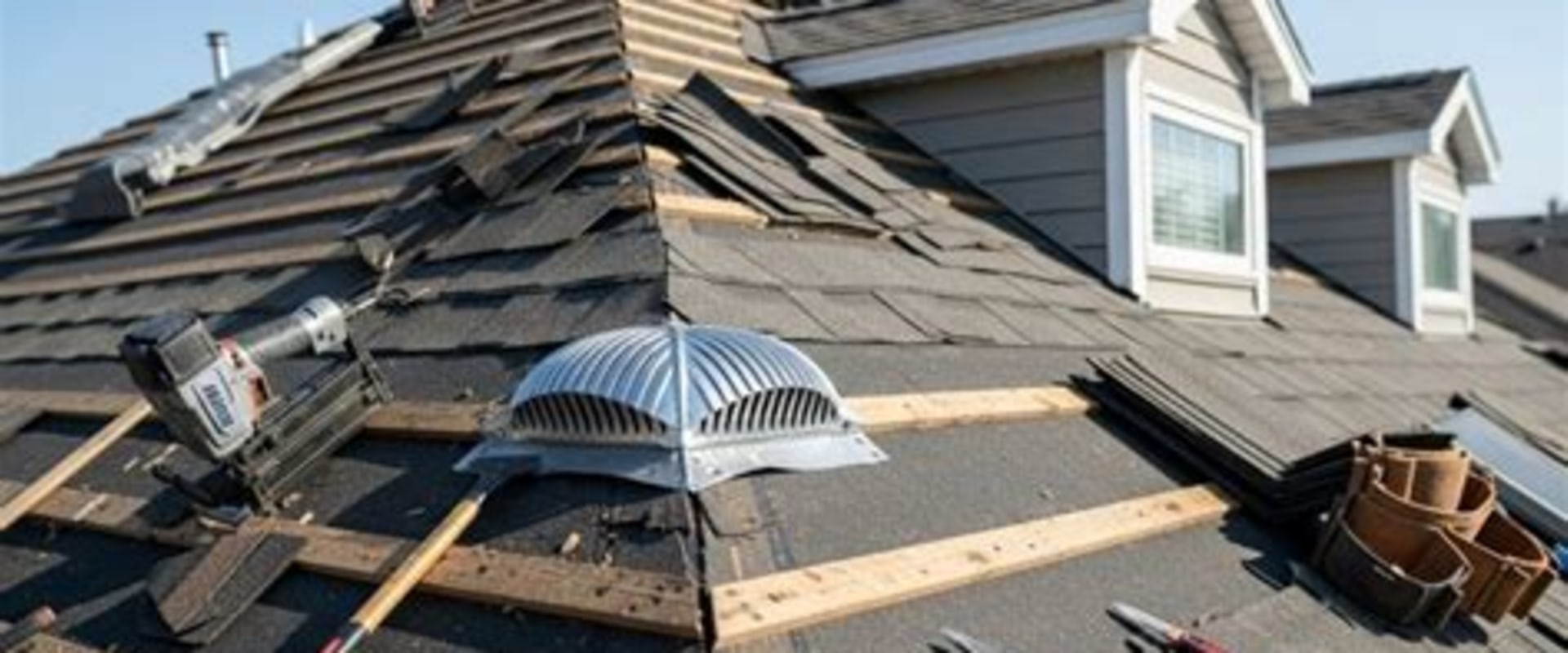
Balanced roof ventilation helps remove humid air from attic spaces before condensation develops. Intake vents near the roof’s lower edge and exhaust vents closer to the roof peak work together to maintain continuous airflow. This airflow helps preserve insulation performance while protecting roof decking, framing, and underlayment materials from excessive moisture exposure. Roofing professionals often inspect attic ventilation carefully during remodeling projects because energy efficiency depends heavily on how well airflow and insulation systems work together. A company such as A-1 Roofing Services may evaluate both roofing materials and ventilation performance when homeowners pursue energy-efficient upgrades, since poor airflow can compromise many of the intended long-term savings.
Improved Roof Lifespan and Indoor Comfort
Proper roof ventilation also contributes to extending the lifespan of the roofing system itself. Excessive attic heat can accelerate the aging process of shingles and other roofing materials by exposing them to prolonged thermal stress from beneath the roof surface. Roofing materials that remain overheated for extended periods may become brittle, crack prematurely, or lose protective properties more quickly than expected. Improved ventilation helps stabilize attic temperatures, reducing stress on the roof and helping materials perform more consistently over time.
Indoor comfort is another benefit homeowners often notice after ventilation improvements are completed. Poor attic airflow can create uneven indoor temperatures, making upper floors feel warmer and less comfortable even when cooling systems are running continuously. By reducing trapped heat and humidity in attic spaces, improved roof ventilation can help maintain more stable temperatures throughout the home while reducing pressure on heating and cooling equipment.
Energy-efficient remodeling projects are most effective when all parts of the home work together as an integrated system. Roof ventilation supports insulation performance, moisture control, energy efficiency, and long-term structural protection in ways many homeowners do not initially recognize. While ventilation upgrades may not be as visually noticeable as new windows or appliances, they often play a critical role in preserving the effectiveness of broader remodeling investments. By improving airflow and moisture management during energy-efficient renovations, homeowners can help create healthier indoor environments, reduce long-term maintenance concerns, and improve the overall durability and efficiency of their homes for years to come.