Before starting any home renovation project, homeowners often focus on design upgrades, new layouts, and modern finishes, but one critical system that should never be overlooked is the sewer and drainage infrastructure. These systems are responsible for safely removing wastewater from the home, and any changes made during renovations—such as adding bathrooms, relocating kitchens, or expanding living spaces—can significantly impact how they function. Understanding the basics of how sewer lines, drain pipes, and vent systems work together is essential to avoid costly mistakes. A well-functioning system relies on proper slope, pipe sizing, and ventilation, all of which must be maintained or adjusted correctly when renovations are underway.
Identifying Existing System Conditions
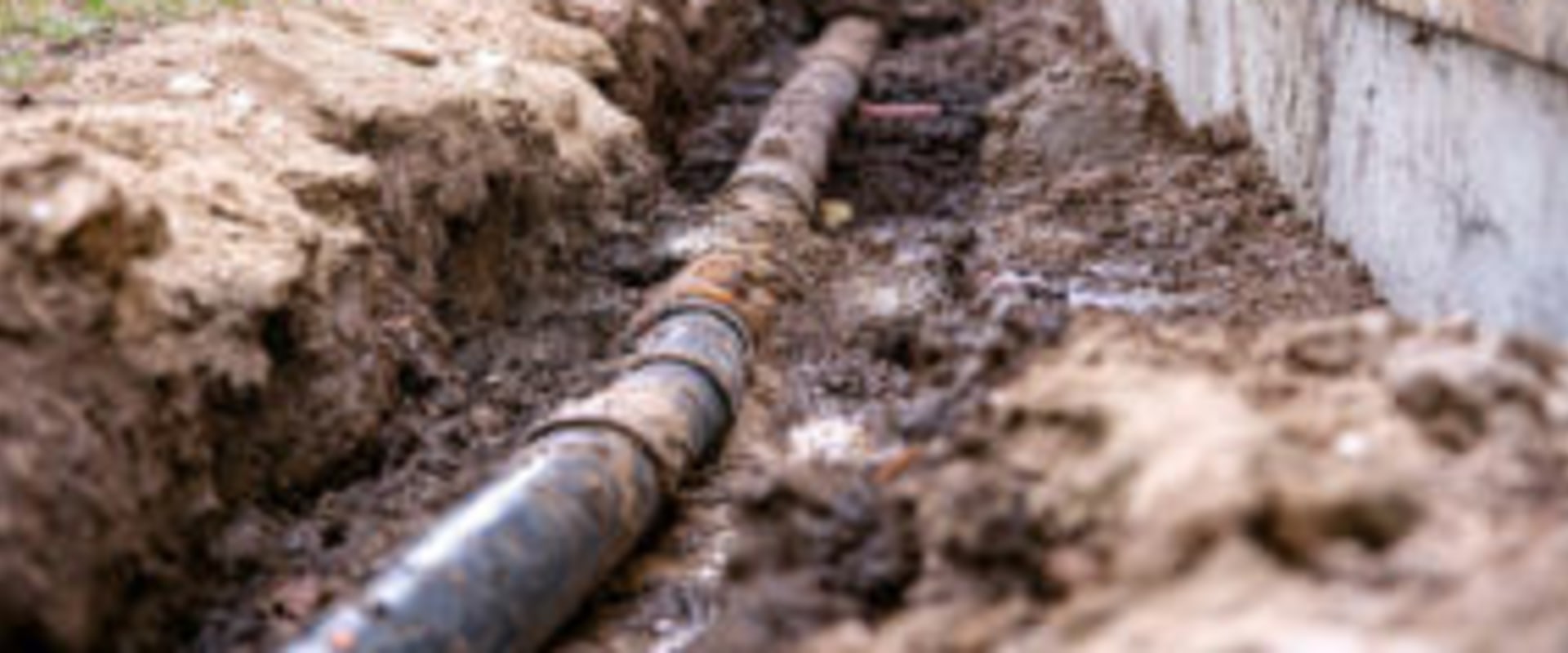
One of the first steps homeowners should take is assessing the current condition of their sewer and drain systems. Older homes, in particular, may have outdated piping materials such as clay or cast iron, which are more prone to cracks, corrosion, and blockages. Renovation is the perfect time to inspect these systems using modern methods like camera inspections to identify hidden issues. Ignoring underlying problems can lead to recurring clogs, leaks, or even sewage backups after the renovation is complete. Addressing these concerns early ensures that the upgraded home does not inherit old problems that could compromise both comfort and safety.
Planning for Layout Changes
Renovations often involve changing the layout of a home, and even small adjustments can have a big impact on drainage performance. Moving plumbing fixtures requires careful planning to maintain proper pipe slopes and ensure efficient water flow. If pipes are not angled correctly, wastewater can slow down, leading to buildup and eventual blockages. Additionally, venting systems must be considered to prevent airlocks and ensure that water flows smoothly through the pipes. Consulting with professionals during the planning phase helps homeowners avoid design choices that may look appealing but are impractical from a plumbing standpoint.
Preventing Future Problems
Another important factor to consider is how renovation choices can affect long-term maintenance. Installing modern fixtures with high water efficiency is beneficial, but these systems sometimes require updated drainage configurations to function properly. Homeowners should also think about access points for cleaning and maintenance, such as cleanouts, which make it easier to address clogs without invasive repairs. Working with experienced providers like Drain Jetters R Us can help ensure that the system is not only updated but also optimized for durability and ease of maintenance. Preventative planning can save homeowners from unexpected expenses and disruptions in the future.
Compliance and Environmental Considerations
Local building codes and environmental regulations also play a significant role in sewer and drain system upgrades. Renovations must comply with these standards to ensure safety and proper waste management. This may include requirements for backflow prevention devices, updated pipe materials, or improved stormwater handling systems. Following these guidelines not only avoids legal complications but also contributes to environmental sustainability by reducing the risk of contamination and inefficient water use. Modern systems are designed to balance performance with environmental responsibility, making compliance an important aspect of any renovation project.
Making Informed Decisions
Ultimately, homeowners who take the time to understand their sewer and drain systems before renovating are better equipped to make informed decisions. By evaluating existing conditions, planning layout changes carefully, and prioritizing long-term functionality, they can ensure that their renovation enhances both the appearance and performance of their home. A thoughtful approach to plumbing infrastructure not only protects the investment but also provides peace of mind, knowing that the home’s essential systems are built to support modern living without unnecessary complications.