A successful home remodel goes far beyond surface-level improvements, especially when it comes to upgrading lighting and power systems. Modern homeowners are increasingly prioritizing functionality, energy efficiency, and long-term safety, making electrical planning a central component of any renovation project. Whether you’re redesigning a kitchen, expanding living spaces, or updating an older home, understanding how lighting and power systems integrate into your overall design is essential. Early planning ensures that wiring layouts, outlet placements, and lighting fixtures align with both aesthetic goals and practical needs. It also allows homeowners to avoid costly adjustments later in the project while ensuring compliance with local electrical codes and standards.
Enhancing Lighting Design for Style and Efficiency
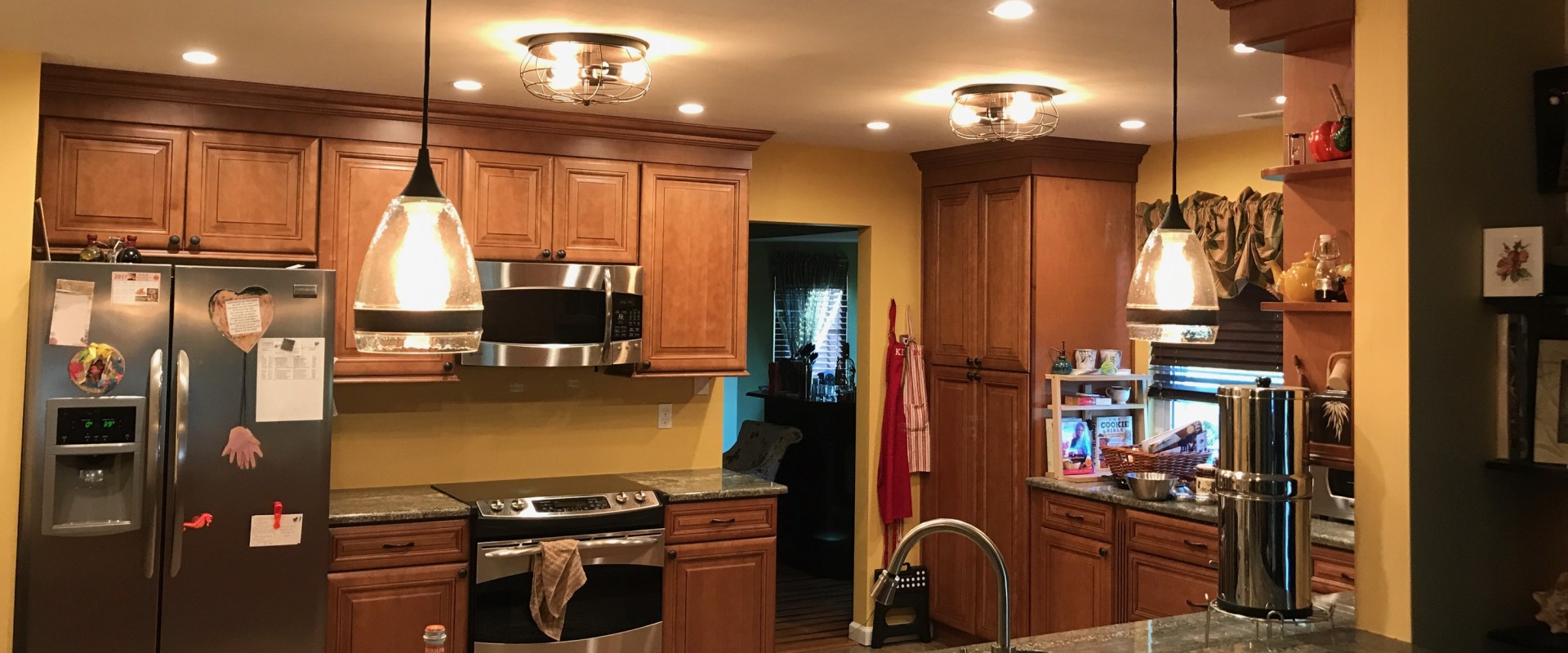
Lighting plays a significant role in transforming the look and feel of a home, making it one of the most impactful elements of a remodel. Layered lighting—combining ambient, task, and accent lighting—creates depth and functionality within a space. For instance, recessed ceiling lights can provide general illumination, while under-cabinet lighting enhances kitchen usability, and statement fixtures add personality to living areas. Energy-efficient solutions such as LED lighting not only reduce electricity consumption but also offer longer lifespans compared to traditional bulbs. Smart lighting systems are another popular upgrade, allowing homeowners to control brightness, color temperature, and scheduling through mobile apps or voice assistants. These innovations improve convenience while contributing to a more sustainable household.
Upgrading Power Systems for Modern Living
As homes become more technology-driven, the demand for reliable and sufficient power systems continues to grow. Older electrical systems may not be equipped to handle today’s high energy loads, which include multiple devices, appliances, and entertainment systems. Upgrading the electrical panel is often necessary to support increased capacity and prevent overloads. Additionally, strategically placing outlets—such as USB-integrated outlets and floor sockets—enhances accessibility and reduces reliance on extension cords. Dedicated circuits for high-powered appliances like ovens, HVAC systems, and home offices are also crucial for maintaining consistent performance and safety. Working with professionals like Lankford Electrical Service ensures that these upgrades are completed efficiently and in compliance with safety regulations.
Prioritizing Safety and Future-Proofing
Safety should always be a top priority when remodeling a home’s electrical system. Installing ground fault circuit interrupters (GFCIs) in areas exposed to moisture, such as kitchens and bathrooms, helps prevent electrical shocks. Similarly, arc fault circuit interrupters (AFCIs) reduce the risk of electrical fires caused by faulty wiring. Surge protection systems safeguard valuable electronics from voltage spikes, while proper grounding ensures overall system stability. Beyond immediate safety, future-proofing your home is a smart investment. This includes planning for electric vehicle charging stations, solar panel integration, and additional capacity for future technological advancements. By anticipating future needs, homeowners can avoid repeated renovations and maximize the longevity of their upgrades.
Conclusion: Building a Smarter, Brighter Home
Home remodeling offers a valuable opportunity to modernize lighting and power systems in ways that enhance comfort, efficiency, and safety. By carefully planning electrical layouts, investing in energy-efficient lighting, and upgrading power infrastructure, homeowners can create spaces that are both functional and visually appealing. Incorporating smart technologies and prioritizing safety measures further elevates the overall quality of the home. Ultimately, a well-executed electrical upgrade not only supports today’s lifestyle demands but also prepares the home for future innovations, making it a worthwhile investment in both convenience and long-term value.