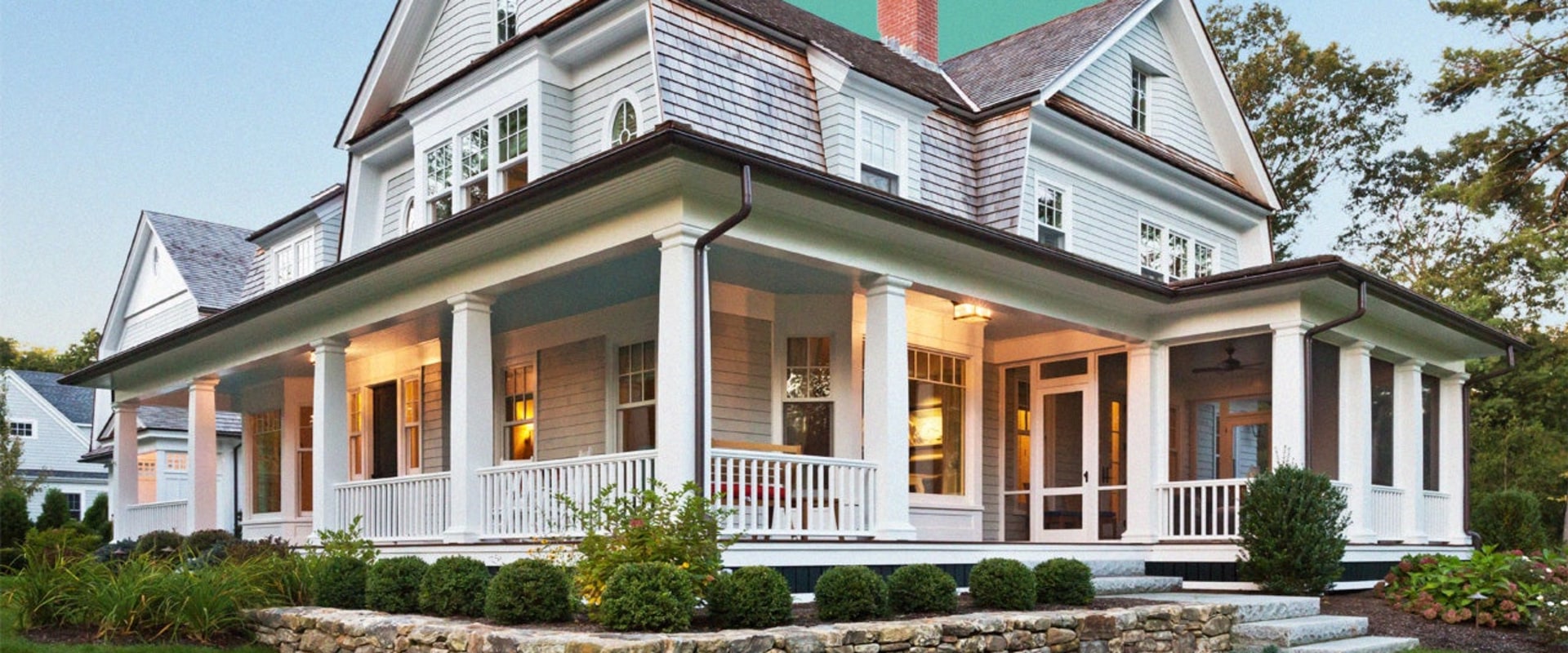
A home remodel is often viewed as a way to improve comfort or update aesthetics, but its impact goes far beyond immediate enjoyment. When approached strategically, remodeling can significantly improve long-term property value by enhancing functionality, efficiency, and overall appeal. Buyers and appraisers alike look for homes that reflect thoughtful upgrades rather than short-term fixes. A well-planned remodel positions a property to remain competitive in the market, adapt to changing buyer preferences, and maintain relevance over time.
Enhancing Functionality and Livability
One of the most valuable outcomes of a home remodel is improved functionality. Updating layouts, expanding living spaces, or modernizing kitchens and bathrooms can dramatically change how a home is used day to day. Open floor plans, added storage, and flexible spaces appeal to modern lifestyles and increase perceived value. Homes that function efficiently are more attractive to buyers because they reduce the need for immediate changes after purchase. This practical usability translates directly into higher long-term value and broader market appeal.
Modernization and Market Relevance
Outdated homes tend to lose value faster, even if they are structurally sound. Remodeling allows homeowners to modernize finishes, fixtures, and systems in ways that align with current expectations. Updated lighting, energy-efficient windows, contemporary materials, and smart home features help a property stay relevant as design trends and technology evolve. Rather than chasing trends, successful remodels focus on timeless improvements that age well and appeal to a wide audience, preserving value across multiple market cycles.
Improving Efficiency and Operating Costs
Long-term property value is increasingly tied to efficiency and operating costs. Remodeling projects that address insulation, plumbing, electrical systems, and water use can reduce monthly expenses while improving performance. Buyers are more willing to pay a premium for homes with lower utility costs and reliable systems. Integrating upgrades such as whole house water purification systems adds value by improving water quality, protecting plumbing infrastructure, and appealing to health- and sustainability-conscious buyers. These behind-the-scenes improvements may not be immediately visible, but they strongly influence buyer confidence and long-term satisfaction.
Reducing Future Maintenance and Risk
A remodel can also improve property value by reducing future maintenance risks. Replacing aging materials, addressing structural concerns, and updating critical systems prevents costly issues down the line. Buyers recognize the value of homes that have been proactively maintained rather than deferred. When inspections reveal recent upgrades and quality workmanship, perceived risk decreases, making the property more attractive and easier to sell. Reduced maintenance needs also support long-term ownership value for those who plan to stay in the home.
Boosting Curb Appeal and First Impressions
Exterior remodeling plays a major role in long-term value by shaping first impressions. Updated siding, roofing, landscaping, and entryways enhance curb appeal and signal quality before a buyer even steps inside. A strong exterior increases interest, shortens time on the market, and often leads to higher offers. Over time, these improvements also protect the structure from weather-related damage, reinforcing both aesthetic and functional value.
Adapting to Changing Buyer Expectations
Buyer priorities change over time, and remodeling allows a home to adapt. Features such as home offices, multi-purpose rooms, and accessible design elements reflect evolving needs. Homes that can accommodate different life stages—families, remote workers, or aging residents—retain value longer because they appeal to a wider demographic. This adaptability makes the property more resilient to shifts in market demand.
Long-Term Value Through Thoughtful Design
How a home remodel improves long-term property value ultimately comes down to intention. Thoughtful upgrades that prioritize function, efficiency, durability, and broad appeal create lasting benefits. Rather than focusing solely on cosmetic changes, successful remodels strengthen the core performance of a home. Over time, these improvements compound, protecting investment, increasing marketability, and ensuring the property remains desirable for years to come.